
IELTS Speaking Part 1 Questions: How to Answer Without Sounding Rehearsed
Part 1 asks simple questions about your life, and that is where candidates lose easy marks. The answer length, structure and common topics that work.
Quick answer
In IELTS Speaking Part 1, answer each everyday question in two to four sentences: a direct answer, one reason or detail, and an optional example or contrast. Aim for roughly 15 to 25 seconds per answer. Speak naturally about your own life; short, relaxed, extended answers score better than one-word replies or memorized speeches.
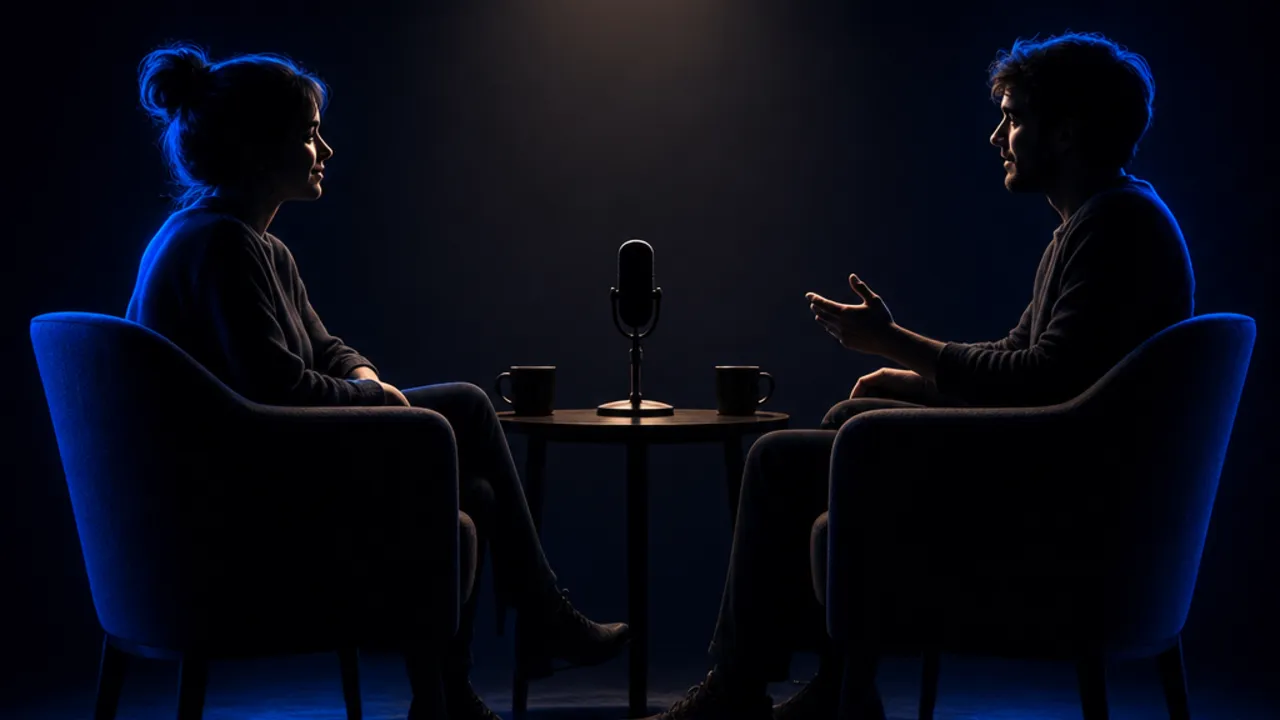
Part 1 is the warm-up, and it is still scored. According to the official IELTS Speaking format, it lasts four to five minutes. The examiner asks general questions about you and familiar topics such as your home, work or studies, and your interests. The same four criteria apply here as in the rest of the test, so this is where a candidate sets the tone for the whole interview.
Most Part 1 mistakes go in one of two directions: answers too short to show any language ("Yes, I do."), or answers so long and polished that they sound memorized. The fix is a small, repeatable shape you can use for any question.
How long should IELTS Speaking Part 1 answers be?
Two to four sentences is the practical range, roughly 15 to 25 seconds. This is long enough to show vocabulary and a complex sentence or two, and short enough that the examiner can get through the questions on the script. If the examiner interrupts with the next question, that is normal timing control, not a penalty.
Use a three-step shape for every answer: answer directly, give one reason or detail, then add an example, a contrast or a change over time.
| Answer | Example | What it shows |
|---|---|---|
| Too short | "Yes, I like cooking." | Almost nothing to assess |
| Right length | "Yes, quite a lot, mainly at weekends, because during the week I barely have time. I've been trying to cook more vegetarian dishes lately, which has been a bit of a challenge." | A direct answer, a reason, a present perfect continuous structure and natural collocation |
| Too long | A one-minute speech about the history of your favourite cuisine | Sounds prepared and takes time from other questions |
Which topics come up in Part 1?
The first questions are usually about where you live and whether you work or study. After that, the examiner moves to two or three familiar topics. You cannot predict the exact questions, but the topic families repeat, so preparing vocabulary for each family is a better use of time than memorizing answers:
- Home and hometown: your neighbourhood, what has changed, what visitors should see.
- Work or studies: what you do, what you enjoy about it, what you would change.
- Daily routine and free time: weekends, hobbies, sports, music, reading, films.
- Technology: your phone, apps, social media, online shopping.
- People and places: friends, family, neighbours, parks, cafés, travel.
- Small concrete topics: weather, food, gifts, colours, clothes, transport.
How do you sound natural instead of rehearsed?
Examiners are trained to notice memorized language, and the public speaking band descriptors reward language that is used flexibly. Rehearse the vocabulary and the shape, not the sentences. Three habits help:
- Start with a short natural opener ("Honestly, not much", "It depends on the day", "Yes, definitely"), then answer. It buys you a second without a silent pause.
- Answer the question that was asked. If the question is about now, use the present; if it asks about your childhood, switch to the past. Tense control in short answers is easy evidence of grammatical range.
- Add one personal detail. A specific detail ("the bakery at the end of my street") is easier to talk about and sounds real, unlike a general statement you could have prepared.
Part 1 mistakes that cost easy marks
- Repeating the question word for word before answering. Paraphrase it instead, or just answer.
- Using one connector for everything ("and... and... because..."). Mix in "although", "mainly because", "which means".
- Asking the examiner for their opinion. In Part 1, the examiner follows a script and will not discuss the topic with you.
- Treating a simple question as a trick. "Do you like rain?" is just about rain. A clear opinion and a reason are enough.
- Panicking over an unfamiliar topic. Saying "I've never really thought about it, but I suppose..." is natural and keeps you speaking.
A 10-minute daily Part 1 routine
Pick one topic family a day. Answer five questions from it out loud, recording each one. Listen back once and note one thing to improve, such as a hesitation, a repeated word or a tense slip. Then answer the same five questions again. The second attempt is where the improvement happens, which is the same principle behind the Part 2 cue-card method.
If you practise with WitSpeak, its IELTS-style Part 1 sessions put the questions to you through an AI examiner and return an estimated band with feedback on all four criteria. The estimate is a practice signal, not an official score. For the full picture of how the three parts fit together, start from the IELTS Speaking guide.
Frequently asked questions
How many questions are there in IELTS Speaking Part 1?
There is no fixed number for candidates to count. Part 1 lasts four to five minutes, and the examiner usually covers your home, work or studies, then two or three familiar topics with several short questions each. Shorter answers mean more questions; that is normal.
Can I give a one-word answer in Part 1?
You can, but it wastes the chance to show your English. A one-word answer gives the examiner almost nothing to assess. Add a reason and a detail; two to four sentences is the practical sweet spot.
Should I memorize answers for Part 1 topics?
No. Memorized answers tend to sound recited and break down when the question is phrased differently. Prepare vocabulary and a flexible answer shape for each topic family, then practise answering new questions with them.
What if I don't understand a Part 1 question?
Ask the examiner to repeat it. A polite request such as "Sorry, could you repeat the question?" is fine. In Part 1 the examiner can repeat the question but will not explain it in other words, so ask early rather than guessing.
Does Part 1 count as much as Parts 2 and 3?
Your band comes from your performance across the whole test against the same four criteria, so Part 1 is part of that evidence. It is shorter and easier, which makes it the best place to show relaxed, accurate English early.